
Motorcycle crashes are complex events shaped by many factors. Among these, weather and lighting conditions stand out as key environmental influences that can dramatically affect both the risk of a crash and the legal liability that follows. Riders, other drivers, and even government agencies can be involved in determining fault when weather or poor lighting plays a role. Understanding how these conditions interact with traffic laws, insurance claims, and liability standards is vital for riders and anyone navigating a post‑crash claim in the United States.
In this guide we break down how weather and light can influence motorcycle accidents, why they matter legally, and what riders need to know to protect their rights and strengthen their claims.
Weather Conditions and Their Legal Impact
Why Weather Matters
Adverse weather conditions — such as rain, fog, snow, ice, wind, and low temperatures — influence motorcycle safety in several ways:
- Reduced traction on wet or icy pavement increases the chance of skidding and loss of control.
- Visibility issues in rain or fog make it harder for riders and drivers to see each other.
- Strong winds can destabilize motorcycles more than cars due to their lighter weight and smaller contact patch.
- Rapid weather changes can catch riders off‑guard, especially if they’re unfamiliar with local climate patterns.
While not the leading cause of most crashes, inclement weather significantly raises the risk that an accident will result in injury, especially for motorcyclists whose stability and visibility are more easily compromised than those of other vehicles.
Common Weather Hazards and Legal Considerations
Rain and Wet Roads
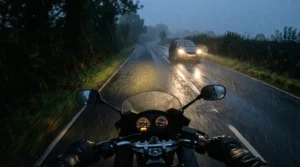
Rain has two major legal implications:
- Traction Loss: Even light rain can dramatically reduce tire grip, leading to sliding or hydroplaning.
- Visibility: Rain droplets, fogged visors, and windshield spray can obscure both rider and driver vision.
Legally, rain doesn’t automatically excuse negligent driving. A driver who fails to slow down or maintain a safe distance in rain may still bear liability if they collide with a motorcycle. Evidence such as weather reports, rain intensity at the crash time, and witness testimony may be crucial to demonstrate how rain contributed to the crash.
Fog, Snow, and Ice
Fog drastically reduces visibility, while snow and ice can make roads treacherous. Riders often avoid these conditions, but unexpected weather can still trap motorcyclists.
In legal proceedings, demonstrating that another driver failed to account for low visibility — for instance, by speeding or not using headlights — can be key to establishing negligence. Moreover, if the crash was partly due to poor municipal road treatment (like lack of salting or ice removal), there may be additional liability for government entities responsible for road safety.
Wind and Temperature Effects
Strong wind gusts can push a bike off its path. Cold temperatures can reduce tire effectiveness and response times. While these factors alone seldom determine liability, they influence control and must be considered in a full accident analysis.
Lighting Conditions and Visibility Liability
Daylight vs Darkness 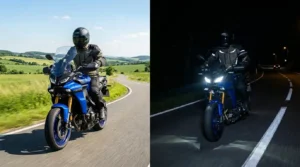
Motorcycle accidents are often more prevalent or more severe in poor lighting conditions. Low light at dawn, dusk, and nighttime decreases a driver’s ability to recognize motorcycles early enough to react safely.
Lighting conditions affect:
- Perception‑Reaction Time: Drivers may fixate on larger vehicles and overlook motorcycles.
- Visibility to Others: A motorcycle with poor or malfunctioning lights is harder to see, increasing collision risk.
- Roadway Lighting: Poorly lit streets or highways can diminish visibility even further.
Defective Lighting and Product Liability
If a motorcycle’s headlight, brake light, or signal fails due to a manufacturing or maintenance defect, this could form the basis of a product liability claim against the manufacturer, distributor, or service provider responsible for maintenance. Evidence like service records and product defect histories may be needed to prove this angle.
Municipal Liability for Road Lighting
In some cases, poorly maintained street lighting or absence of required illumination can contribute to a crash. Municipal or contractor liability may arise if they fail to uphold road safety standards, and evidence can include maintenance logs or lack thereof.
Establishing Fault When Weather and Light Contribute to Crashes
Negligence Remains Central
Even when weather or light are contributing factors, the core legal issue is negligence. Parties remain responsible for operating vehicles safely under conditions:
- Did the driver adjust speed for rain or fog?
- Did the motorist fail to use headlights at night?
- Did the motorcyclist maintain appropriate following distances?
- Was there a known road hazard that wasn’t properly marked?
Admitting fault or stating “weather caused the accident” can harm your claim; it’s better to focus on factual evidence and testimony.
Comparative Negligence
Most U.S. states use some form of comparative negligence rule. This means liability may be divided among parties according to their level of fault. In states like California, even if a rider is found partially at fault (e.g., 30%), they may still recover damages reduced by their share of fault.
Insurance Claims with Weather and Light Factors
Common Insurance Challenges
Insurance companies often try to:
- Minimize payouts by arguing that weather was unpredictable or uncontrollable
- Suggest the rider should have avoided riding in poor conditions
- Blame the motorcyclist for not wearing bright or reflective gear
These tactics can be countered by evidence such as official weather data, crash scene photos showing lighting and road conditions, and expert testimony.
Evidence That Strengthens Claims
To support liability claims, consider gathering:
- Photographs/video of the accident scene, weather, lighting, and skid marks
- Police accident reports with environmental observations
- Meteorological records verifying conditions
- Witness statements
- Expert accident reconstructions
Quick evidence collection is essential because rain can wash away skid marks, and lighting conditions can change rapidly after sunset.
Prevention and Rider Safety Tips
Before You Ride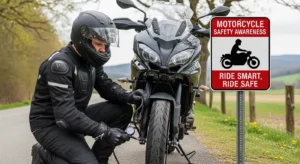
- Check the weather forecast and postpone if severe conditions are predicted
- Ensure your motorcycle lights and reflective gear work well
- Maintain tires and brakes to handle wet or cold surfaces
- Plan for extra stopping distance in poor conditions
Staying safe helps not only prevent crashes but also strengthens liability defenses if another driver causes a crash.
Conclusion
Weather and lighting conditions play a major role in motorcycle crash liability. Riders face greater risk in rain, fog, snow, and poor lighting, but these conditions don’t automatically assign fault to the rider. Negligence is evaluated on how all drivers behaved given the conditions — including whether they took reasonable steps to adjust their driving, maintain visibility, and ensure safety.
For injured riders, gathering solid evidence and working with an experienced attorney can be key to a successful claim, especially when weather or lighting complicates liability. While environmental conditions are part of the picture, driver responsibility and legal standards remain central to determining fault and securing fair compensation.